Do I really need a permit for a steel frame building in Coolidge, even if it's just a shed?
Alright, let's get this straight right off the bat: Yes, you almost certainly do. Look, I get it, permits can feel like a real pain, just another hoop to jump through. But here in Coolidge, Pinal County has these rules for a good reason. Anything that's going to be a permanent structure, especially one with a steel frame, needs to be up to code. This isn't just about the county knowing what you're building; it's about making sure it's safe for you, your family, and your neighbors. A proper permit ensures things like structural integrity, setbacks from property lines, and even drainage are all thought through. Skimping on this can lead to huge headaches down the road – fines, demolition orders, or even issues when you try to sell your property. Don't risk it. Always check with Pinal County Development Services before you even break ground. It’ll save you a lot of grief, trust me.
What kind of foundation do I need for a steel building in our Arizona soil?
This is a big one, especially with our unique desert soil. You can't just slap a steel frame on any old patch of dirt and expect it to last. For most steel buildings – whether it's a garage, workshop, or even a smaller storage unit – you're going to need a concrete slab foundation. How thick that slab needs to be, and if it requires rebar reinforcement, depends on your building's size and weight, plus what you plan to put inside. If you're parking heavy equipment or vehicles, you'll definitely need a stronger foundation. Our expansive clay soils in areas like northern Coolidge, near the Casa Grande border, can be tricky. They swell when wet and shrink when dry, which can cause foundation movement if you don't prepare properly. We often recommend a good compacted sub-base and sometimes even a monolithic slab with thickened edges, or a stem wall foundation, to really ensure stability. Don't cut corners here; your foundation is literally the base of your whole investment.
How long does it actually take to erect a steel frame once the foundation is ready?
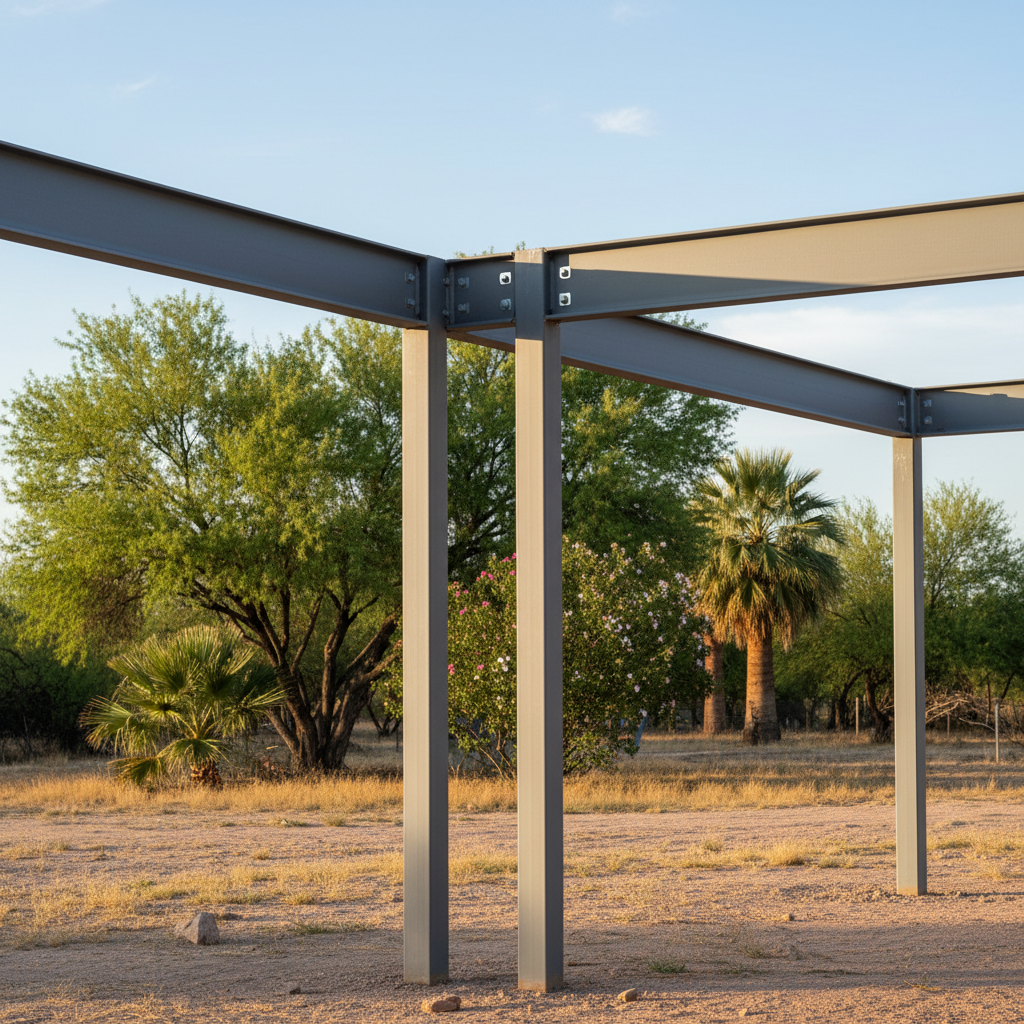
That's a good question, and honestly, there's no single answer. It really depends on the size and how complex the building is. For a smaller, straightforward steel shed kit, say a 12x20, we might have the frame up in a day or two with a small crew. But for a larger structure, like a 40x60 workshop or a multi-bay garage, you're looking at anywhere from a week to two weeks just to get the main steel frame standing. This doesn't include the foundation work, the roofing, siding, doors, or any interior finishing, mind you. We're talking strictly about getting those steel beams and purlins bolted together and standing tall. Weather plays a role too – high winds, which we certainly get here in Coolidge, can slow things down for safety reasons. It's a precise process, and rushing it just isn't an option when you're dealing with heavy steel.
Can I save money by doing some of the erection myself?
You can, but you need to be realistic about what 'some' means and what you're actually capable of. For very small, simple structures, some homeowners with good mechanical skills and the right tools might tackle parts of it. But for anything beyond a basic shed, I generally advise against doing the main frame yourself. Steel frame erection involves heavy lifting, specialized equipment (like forklifts or cranes), and a deep understanding of structural plans and safety protocols. You're dealing with massive, heavy components that can be really dangerous if mishandled. One wrong move, and you're not just looking at damaged materials; you're looking at serious injury. Most of our clients at Coolidge Metal Buildings find it's far more efficient and safer to let the pros handle the heavy lifting. You might be able to help with non-structural elements later, like installing insulation or interior finishes, but leave the frame to the experts.
What's the biggest challenge you face when erecting steel buildings in Coolidge?
Honestly, it's often the heat and the wind. We're working outside in the Arizona sun, and those steel components get blazing hot. That means shorter work shifts in the summer, more breaks, and making sure everyone stays hydrated. Safety is crucial, and heat exhaustion is a real threat. Then there's the wind. Coolidge can get some serious gusts, especially during monsoon season. Trying to hoist a large steel beam or a sheet of metal roofing in high winds is incredibly dangerous. We have to pause operations sometimes, which can affect timelines. It’s not just about getting the job done; it’s about getting it done safely and correctly, even when Mother Nature isn't cooperating.
How do you ensure the steel frame is square and plumb?
This is where experience and precision really shine. We start with a perfectly level and square foundation, which is always step one. Then, as we put up the frame, we use a combination of transit levels, lasers, and good old-fashioned tape measures to constantly check and re-check everything. We'll often use temporary bracing to hold sections in place while we verify alignment. It's a continuous process of adjusting, tightening, and re-checking. Every connection point, every column, every beam needs to be exactly where it's supposed to be according to the engineering plans. If the frame isn't square and plumb, everything that comes after it – the roofing, the siding, the doors, the windows – won't fit right, and you'll have structural issues down the line. It's painstaking work, but it's absolutely essential for a durable, good-looking building.
What about future expansions? Is it easy to add on to a steel frame building?
That's one of the great advantages of steel! Compared to traditional stick-built structures, steel frames are generally much easier to expand. Because they're bolted together, and their structural integrity is so well-defined, adding a bay or extending a wall is often a pretty straightforward process. You'd typically remove an end wall, extend the foundation, and then bolt on new frame sections. Of course, you'd need new engineering plans for the expansion and, you guessed it, another permit from Pinal County. But the modular nature of steel construction makes it very adaptable. We've helped plenty of folks in Coolidge expand their workshops or storage buildings as their needs grew. It's a smart way to plan for the future without having to tear down and rebuild entirely.
What kind of maintenance does a steel frame itself need after it's up?
The beauty of a properly erected steel frame is that it's pretty low maintenance. Once it's up, painted or coated, and enclosed, the frame itself is largely protected. You'll want to do annual checks for any signs of rust, especially if you're in an area with high humidity or if the coating gets scratched. If you do see any surface rust, address it quickly with a wire brush and a good quality rust-inhibiting primer and paint. Also, keep an eye on the bolts and connections. While they're designed to stay tight, extreme vibrations or ground movement could theoretically loosen one over many years. But generally, the structural steel itself is incredibly durable and will last for decades with minimal fuss. Most of your maintenance will be focused on the exterior panels, roof, doors, and interior finishes, not the frame itself.