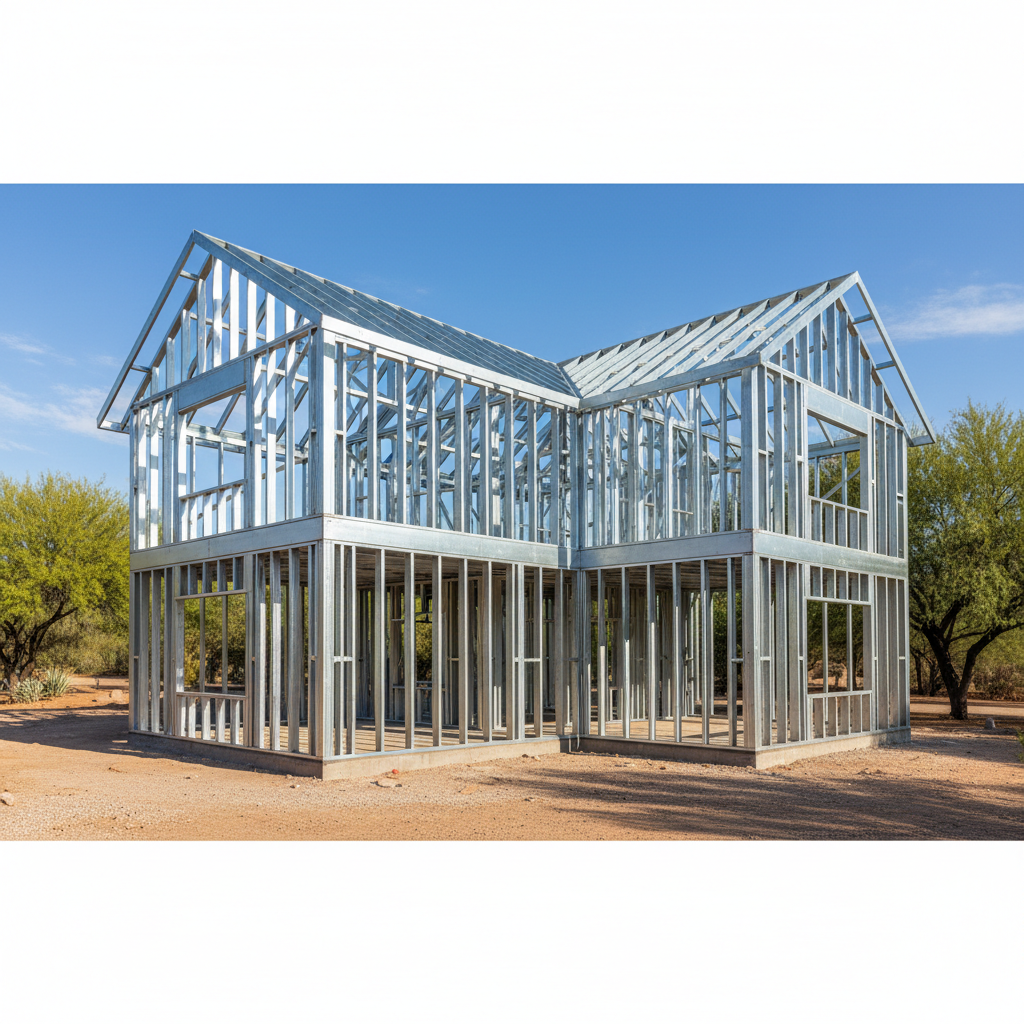
So, you're thinking about adding a steel frame structure to your property here in Coolidge. Maybe it's a new workshop, a bigger garage for all your toys, or even the start of a barndominium. That's a solid investment, truly, and I've seen plenty of these projects get off the ground around here. But before you get too far, let's talk about how to plan this thing right. It's not just about picking out the prettiest color; there's a whole process you need to understand.
Setting Your Project Timeline: What to Expect
First off, let's get real about timing. Building anything substantial takes time, and steel frame projects are no different. You're not going to call me today and have a finished building next month, especially not a quality one.
- Initial Design & Permitting (1-3 months): This often ends up being the longest part, and it's mostly out of your hands once the plans are submitted. You'll work with a designer or your contractor to finalize plans. Then those plans go to the county or city for approval. Depending on how busy they are, and if you're in an area like the older parts of town with specific zoning, this can really drag. We've got our share of unique soil conditions in Coolidge, too, which can sometimes mean extra engineering steps.
- Material Procurement (4-8 weeks): Once permits are in hand, we order the steel. Steel isn't just sitting on a shelf waiting for your call, you know. It's fabricated to your specific design, and that takes time. Supply chains can be unpredictable, so factor in some buffer here.
- Site Preparation (1-3 weeks): While the steel is being made, we can start on your site. This means clearing, grading, and pouring the foundation. This part moves pretty quick once it starts, assuming no major surprises with the ground.
- Erection & Finishing (3-8 weeks): This is where you really see progress. The steel frame goes up fast. Then we add the roof, walls, doors, windows, and any interior finishes. How complex your building is will dictate how long this phase takes.
All told, from your first serious conversation to a completed building, you're usually looking at anywhere from four to eight months. Sometimes longer. Don't let anyone tell you it's a two-month job unless it's a tiny shed.
What to Expect During the Process
Once we kick off, it's a pretty structured process. You'll have different crews on site at different times. You might see earthmovers, then concrete trucks, then a crew with cranes and lifts putting up the steel. It can look like a beehive for a while.
You'll have a main point of contact – usually your project manager or the contractor themselves. That's who you'll talk to if you have questions or concerns. Don't try to direct the guys on the ground; they're following plans, and changes need to go through the proper channels.
Expect some noise, dust, and general construction mess. We do our best to keep things tidy, but it's a construction site. We'll need access to water and power. Sometimes we'll bring in generators or temporary facilities. It's all part of getting the job done.
How to Prepare Your Property and Yourself
Preparation on your end makes a huge difference. You want this to go smoothly, right? So do we.
- Clear the Site: Before we even think about breaking ground, make sure the area where your building will go is clear. This means moving anything you don't want damaged – vehicles, equipment, landscaping. If there are old structures, trees, or debris, get them out of the way.
- Access: We'll need clear access for trucks and heavy equipment. Think about the path from the road to your build site. Are there low-hanging branches? Narrow gates? We need room to maneuver.
- Utilities: Know where your underground utilities are. Water lines, sewer, electrical, gas, internet – mark them clearly. Call 811 before any digging starts. It's free, and it prevents a huge headache (and potential disaster).
- Communication: Be available. We'll have questions for you, and you'll probably have some for us. Good communication keeps things moving.
- Budget Buffer: Always, always have a contingency fund. I tell everyone 10-15% of the project cost. Things happen – unexpected soil conditions, material price bumps, or you decide you really want that upgraded door. It's better to have it and not need it than to need it and not have it.
Questions to Ask Before Signing a Contract
This is where you protect yourself and ensure you're working with the right folks. Don't be shy. Ask these questions:
- What's included in the quote, and what's not? Get a detailed breakdown. Does it include permits? Foundation? Electrical rough-in? Final grading? Make sure there are no surprises.
- What's your payment schedule? A reputable contractor won't ask for 50% upfront. Expect an initial deposit, then progress payments tied to completed milestones.
- Who pulls the permits? In most cases, the contractor should handle this. It ensures they're building to code and are responsible for the process.
- What kind of warranty do you offer on your work? And what about the materials? Steel frames often come with long warranties, but you want to know about the installation too.
- Can I see proof of insurance and licensing? This is non-negotiable. You want to see general liability insurance and workers' compensation. If someone gets hurt on your property and they're not insured, you could be liable.
- How do you handle change orders? If you decide to change something mid-project, how is that documented and priced? Get it in writing every time.
- What's the estimated timeline, and what factors could delay it? We've already talked about this, but hear their perspective.
- Can you provide references? And actually call them. Ask about communication, quality of work, and how they handled any issues.
Choosing a contractor like Coolidge Metal Buildings means you're getting someone who knows the local landscape, literally and figuratively. We've built enough structures around here to understand the unique challenges and opportunities. Doing your homework now will save you a lot of grief and money down the road. A well-planned project is a successful project.